The Best Time to Talk About Caregiving Is Before You Need It
Retirement Strategist Carroll Golden

If there's one conversation I've learned families avoid more than almost any other, it's caregiving.
Not because they don't care—but because it's uncomfortable.
No one wants to imagine a parent becoming ill, a spouse needing long-term care, or a future where everyday decisions suddenly become overwhelming. So the conversation gets postponed. Then life happens, and families are forced to make some of the biggest decisions of their lives during one of the most emotional moments they'll ever face.
I've spent decades helping individuals and families prepare for aging, retirement, and long-term care. One truth has remained constant throughout my career:
Planning isn't about expecting the worst. It's about creating the best possible outcome when life changes.
Caregiving Is a Family Journey
Many people assume caregiving means providing physical assistance. In reality, it's much more than that.
Someone often becomes the organizer of medical appointments. Another family member manages finances. Someone else provides emotional support. Others coordinate transportation, housing decisions, insurance questions, or legal paperwork.
These responsibilities rarely fall neatly on one person's shoulders.
Without clear communication, even the closest families can experience misunderstandings, frustration, resentment, and conflict—not because they don't love each other, but because no one prepared for the responsibilities ahead.
Waiting Creates More Stress
One of the greatest mistakes families make is believing they'll "figure it out when the time comes."
Unfortunately, emergencies rarely give us time to think clearly.
Decisions become rushed. Emotions run high. Important documents may be missing. Family members may have different expectations about who should do what.
The result isn't simply financial stress—it's emotional stress that can last for years.
Having conversations early allows everyone to understand each other's wishes, define responsibilities, and make informed decisions together.
Caregiving Is Financial Planning, Too
When people hear the words financial planning, they often think about investments or retirement savings.
But caregiving is financial planning.
Long-term care expenses, healthcare costs, housing decisions, insurance coverage, estate planning, and income protection all become part of the caregiving conversation.
Preparing for these realities isn't pessimistic.
It's responsible.
The more prepared a family is, the more freedom they have to focus on what truly matters—the people they love.
Start Small
Many people avoid these conversations because they believe they need all the answers.
You don't.
You simply need to begin.
Ask questions.
Listen carefully.
Understand what's important to one another.
Small conversations today can prevent major disagreements tomorrow.
The goal isn't perfection.
The goal is preparation.
A Resource I Wrote for Families Like Yours
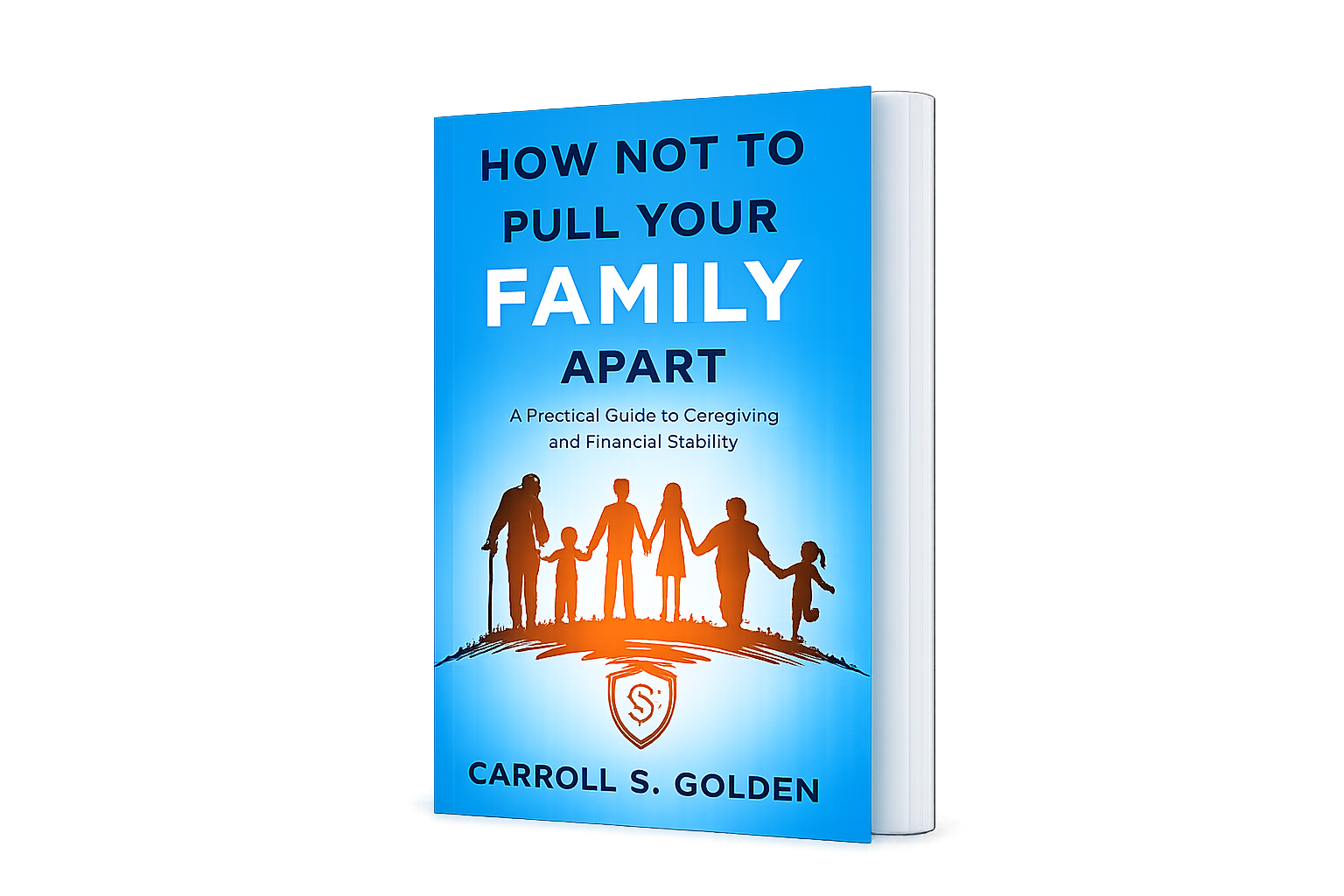
Throughout my career, I've met countless families who wished they had started these conversations sooner. That's exactly why I wrote How Not To Pull Your Family Apart: A Practical Guide to Caregiving and Financial Stability.
Rather than focusing only on theory, I wanted to create a practical, relatable guide that helps families navigate caregiving before a crisis occurs. Through the story of a multigenerational family and a simple three-step planning framework, I share strategies to reduce confusion, strengthen communication, and help families make informed decisions together.
My hope is that this book becomes more than something you read. I hope it becomes the conversation starter that brings your family together, helps you prepare with confidence, and ultimately protects the relationships that matter most.
Because caregiving isn't just about caring for someone you love.
It's about making sure your family stays connected while doing it.