The Healthcare Costs You Don’t See Coming
Retirement Strategist Carroll Golden
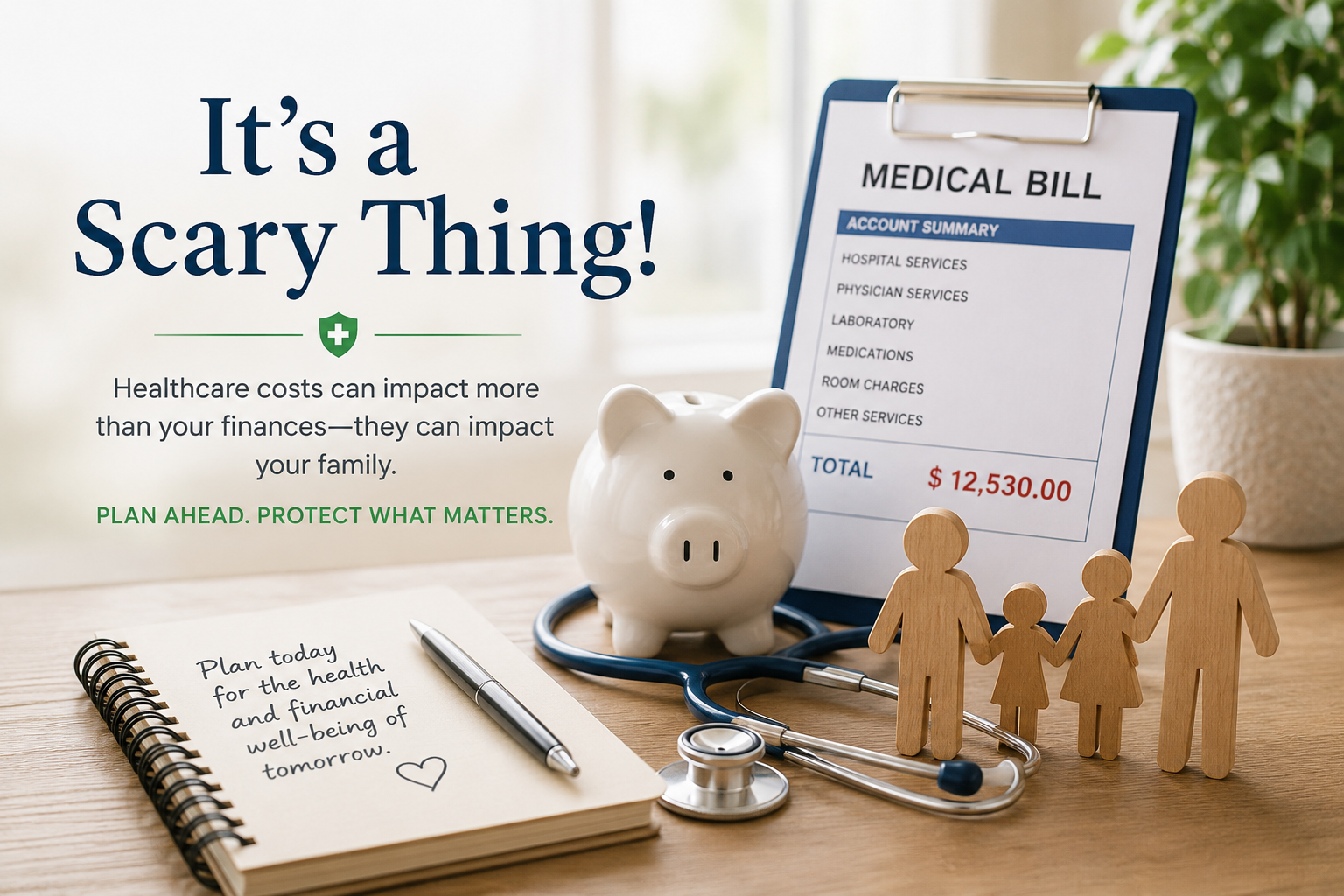
Retirement planning often focuses on the numbers we can see.
How much have we saved? What will Social Security provide? When should we retire? How much income will we need each month?
Those are important questions. But some of the expenses capable of changing a retirement plan are much harder to predict.
Healthcare is one of them.
A hospital stay, an unexpected diagnosis, medications, rehabilitation, specialist care, or an extended period of assistance can introduce expenses a family never anticipated. And when the bills begin arriving, understanding what is covered—and what is not—can become complicated very quickly.
That uncertainty is what makes healthcare planning so important.
Medicare Is Important, But It Isn’t the Entire Plan
One assumption I continue to encounter is that Medicare will take care of most healthcare needs once someone reaches retirement.
Medicare is certainly an important part of retirement healthcare planning. But it should not be confused with a plan for every possible healthcare or long-term care expense.
Families may still encounter premiums, deductibles, copayments, prescription costs, services that aren't fully covered, and expenses associated with extended or long-term care.
The real question, therefore, isn't simply:
“What will Medicare cover?”
It is:
“What happens to our financial plan when healthcare requires more than we expected?”
That question creates a very different conversation.
When a Healthcare Issue Becomes a Family Issue
There is another cost that is easy to overlook.
What happens when someone needs help?
Perhaps a spouse becomes the primary caregiver. Maybe an adult child begins driving to appointments, managing medications, coordinating care, handling finances, or reducing work hours.
Suddenly, the cost of care isn't limited to the medical bill.
It can affect careers, income, retirement contributions, family responsibilities, personal savings, and the caregiver's own future.
This is especially important for families navigating multiple generations at once. Adult children may be raising their own families, building careers, preparing for retirement, and helping aging parents simultaneously.
Without a plan, one person's care needs can ripple through an entire family.
Don't Wait for the Crisis to Start Talking
One of the most valuable things families can do is discuss these possibilities while everyone is still able to participate calmly.
Start with practical questions:
If one of us needed extended care, who would realistically be available to help?
Would that person need to reduce their working hours?
What healthcare and care-related expenses could our retirement income absorb?
What resources or insurance coverage do we currently have?
Where would we prefer to receive care?
What responsibilities could family members reasonably take on?
What professional or community resources might we need?
You don't need to predict exactly what will happen.
You need enough information to avoid making every important decision in the middle of an emergency.
Planning Is About Protecting More Than Money
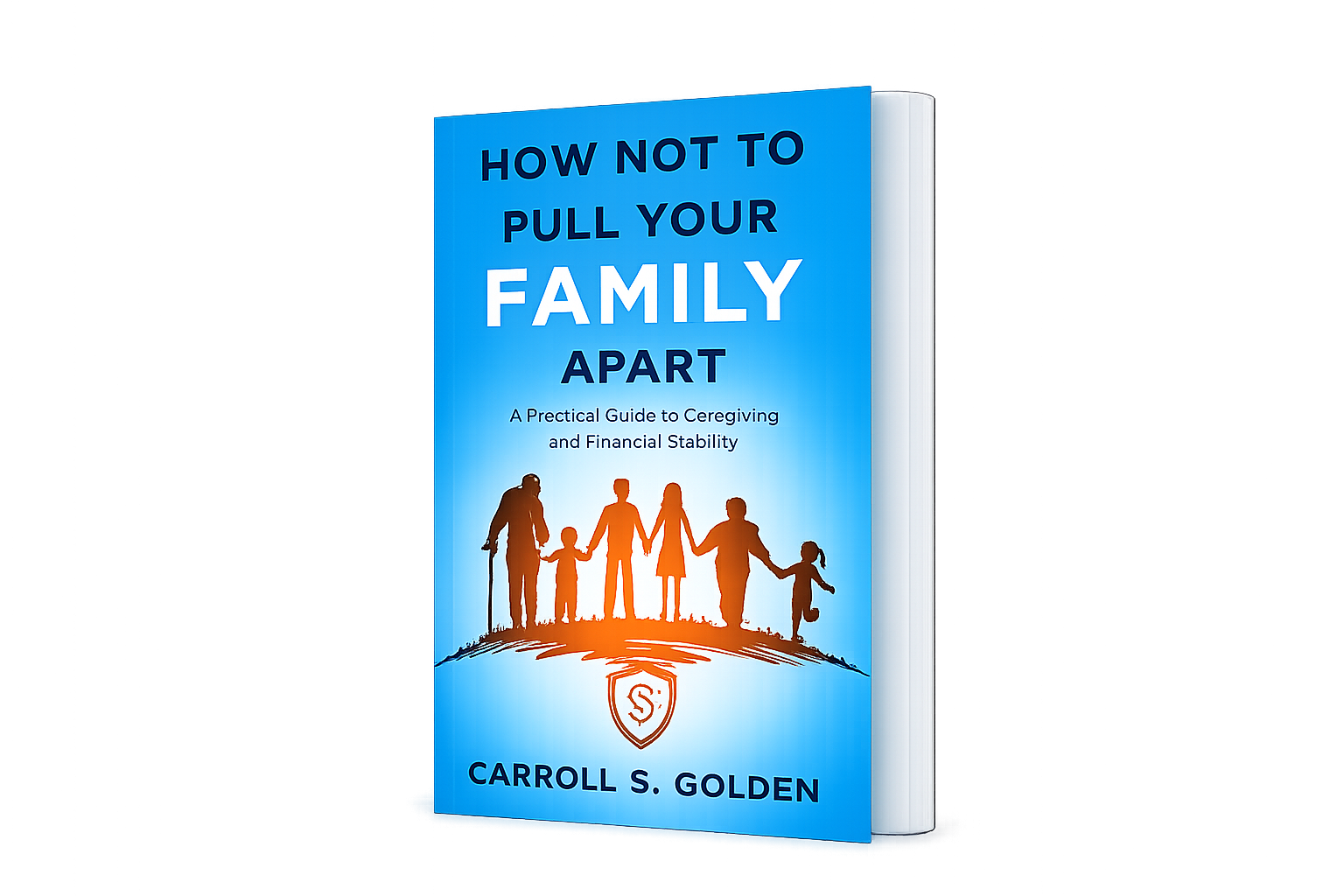
When Jackson and Jodi confront these questions in How Not to Pull Your Family Apart, they begin to recognize something many families eventually discover:
Preparing for care isn't only about protecting retirement assets.
It's about protecting people.
A lack of planning can place enormous pressure on a spouse, children, siblings, or other loved ones. Someone may unexpectedly become the default caregiver simply because nobody discussed alternatives.
A better approach is to identify potential needs, explore available resources, involve the people who may be affected, and establish roles before those roles are urgently needed.
That's the difference between crisis planning and care planning.
Put the Risk on the Table
Nobody enjoys imagining a future involving illness, declining health, or extended care.
But ignoring those possibilities doesn't remove them.
A strong retirement plan should leave room for the things we cannot predict perfectly. Healthcare costs can change. Family circumstances can change. Care needs can change.
The objective isn't to build a plan that predicts every possible outcome.
It's to build one that can adapt when life doesn't follow the spreadsheet.
And sometimes the most valuable part of that process isn't another calculation.
It's starting the conversation.
Continue the Conversation
In my books, How Not to Pull Your Life Apart Caregiving: Overcoming Challenges and Objections to Planning Conversations, I explore practical ways families and professionals can approach caregiving and extended-care conversations before a crisis forces the issue.
Because planning for care isn't simply about preparing for what might happen to us.
It's about understanding what could happen to everyone around us—and creating a plan that helps keep the family together.