The Retirement Question Most People Aren't Asking
Retirement Strategist Carroll Golden

When people prepare for retirement, the conversation usually centers around one question:
"Will I have enough money?"
It's an important question—but it isn't the only one.
Over the years, I've found that many retirees and families spend years building financial security while overlooking how that money will actually support their lives as they age.
Retirement today isn't simply about replacing a paycheck. It's about preparing for decades of living, changing health needs, evolving family relationships, and decisions that become increasingly complex over time.
One area that often creates confusion is guaranteed income.
Many people hear terms like annuities, long-term care riders, or lifetime income and immediately either dismiss them or assume they solve every retirement problem. The reality is much more nuanced.
Annuities can play an important role for some individuals by helping provide predictable income and reducing the fear of outliving savings. Some products also offer riders designed to help address long-term care expenses.
But no financial product should ever be purchased simply because it sounds reassuring.
The real value comes from understanding exactly what you're buying.
Questions such as:
What costs are involved?
How accessible is the money if circumstances change?
What guarantees actually exist?
How does this fit into my overall retirement strategy?
These are the conversations families deserve to have before making important decisions.
Financial planning has never been about finding one perfect solution.
It's about building a strategy where investments, insurance, healthcare planning, estate planning, and family communication all work together.
I've seen too many families discover, during a crisis, that everyone assumed someone else understood the plan.
Unfortunately, assumptions rarely hold up when life becomes complicated.
The strongest retirement plans aren't built solely on financial products.
They're built on education.
When people understand how their decisions affect both themselves and the people they love, they make better choices. They ask better questions. They avoid costly misunderstandings.
Most importantly, they gain confidence—not because every uncertainty disappears, but because they know why they made the decisions they did.
Retirement planning should create clarity, not confusion.
It should strengthen families rather than leaving them to sort through unanswered questions later.
The earlier these conversations begin, the more options families typically have.
And in my experience, options are one of the most valuable assets anyone can have.
Continue the Conversation
Many of the family, financial, and caregiving conversations we avoid today become the challenges we face tomorrow.
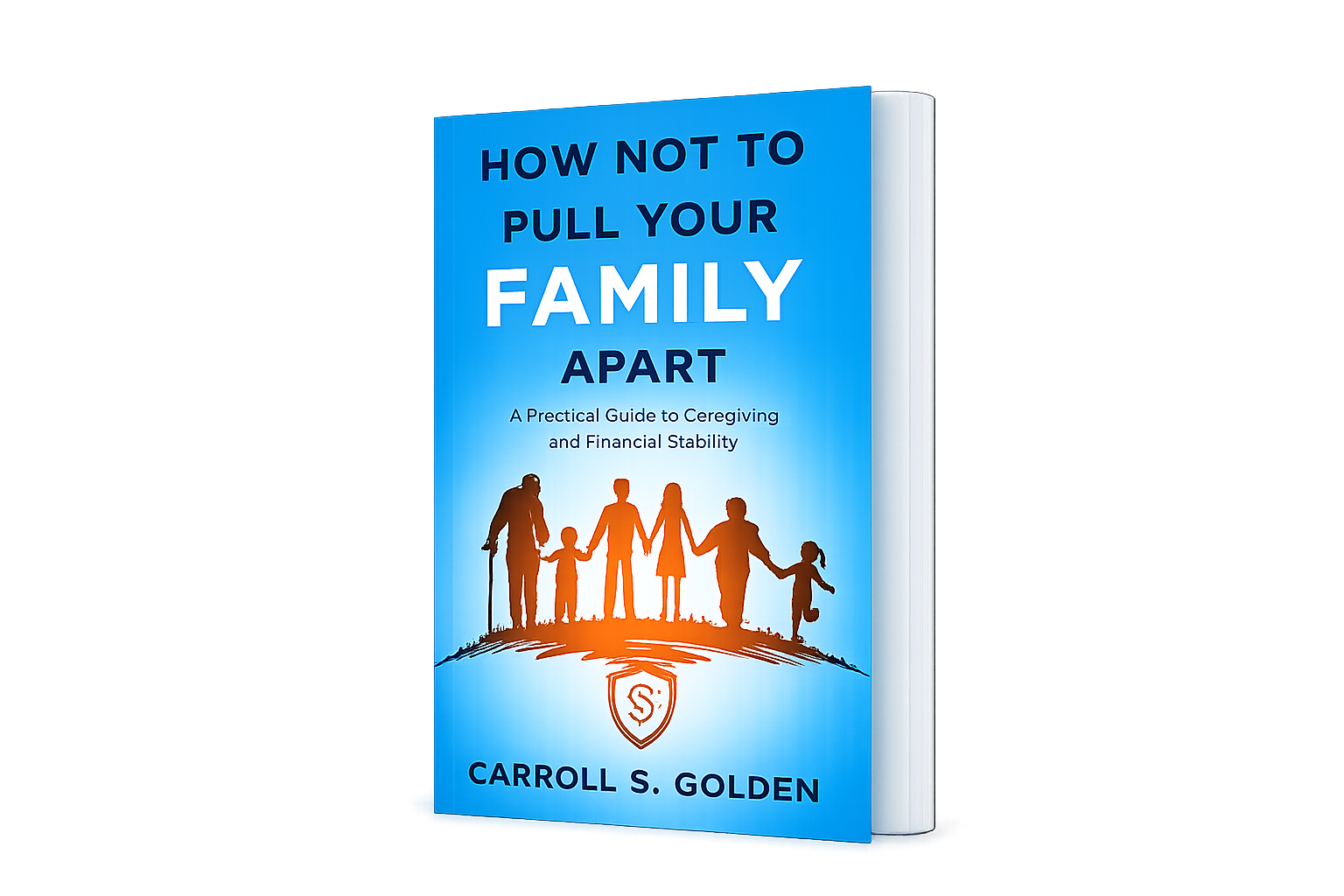
In my book, How Not To Pull Your Family Apart, I explore the conversations, decisions, and planning strategies that help families navigate retirement, caregiving, longevity, and life's major transitions with greater confidence and less conflict.
If this article resonated with you, I encourage you to continue the conversation by reading the book and sharing it with the people who will one day be part of your planning journey.