When “Stuff” Becomes a Burden: Why Financial Planning Must Go Beyond Numbers
Retirement Strategist Carroll Golden
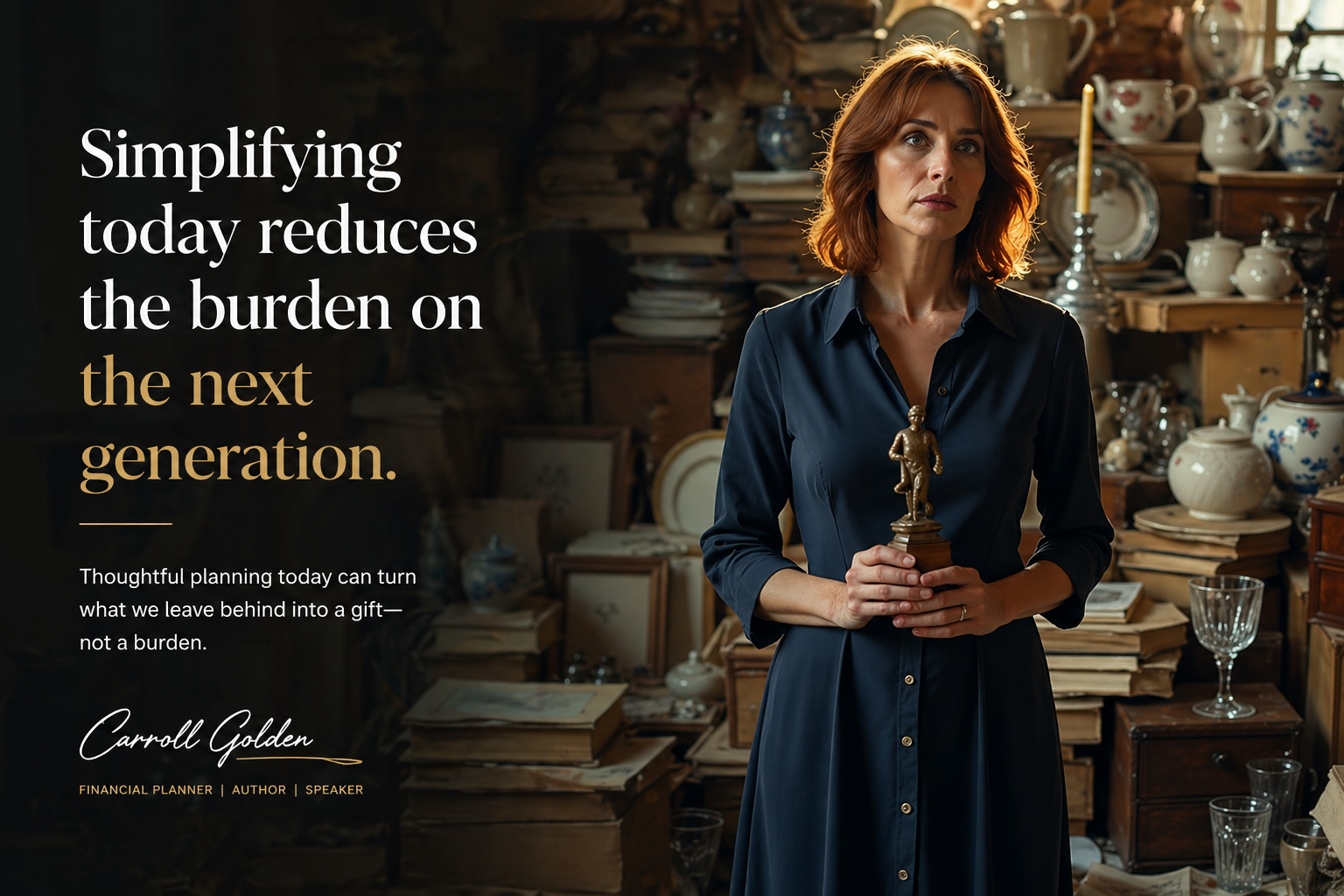
In financial planning, we often focus on numbers—assets, investments, retirement goals, and wealth transfer strategies. But there’s another side of planning that is often overlooked, yet deeply impactful: the “stuff” people leave behind.
“Stuff” is more than just physical belongings. It includes personal property, household items, documents, records, and even unfinished paperwork. Each of these tells a story—what someone valued, what they held onto, and sometimes, what they postponed dealing with.
This is where the concept of the Great Stuff Transfer becomes important.

What Is the Great Stuff Transfer?

The Great Stuff Transfer refers to everything that passes on to the next generation—not just financial assets, but also physical belongings and life’s accumulated details.
While financial assets are usually planned carefully, “stuff” often isn’t.
Closets remain full.
Important documents stay scattered.
Old files, passwords, and paperwork go unorganized.
What’s left behind can either:
Support loved ones with clarity and preparedness, or
Overwhelm them with confusion, stress, and emotional burden
Why This Matters in Financial Planning
For families, dealing with a loved one’s belongings is rarely just a logistical task—it’s emotional. When things are disorganized, it adds unnecessary pressure during an already difficult time.
For financial professionals, this presents an opportunity to deliver more meaningful value.
Planning should not stop at wealth transfer. It should extend to:
Organizing essential documents
Simplifying ownership and records
Helping clients declutter intentionally
Ensuring important information is accessible
When these steps are taken, what remains becomes a gift of clarity, not a burden of confusion.
A Simple but Powerful Question to Ask Clients
A great starting point is a simple conversation.
Ask:
What can be cleared, organized, shared, or simplified today so your loved ones don’t carry unnecessary weight tomorrow?
This question shifts the focus from accumulation to intention.
Often, reducing clutter leads to:
Better organization
Less stress for families
Greater peace of mind for clients
Less Clutter, More Clarity
There’s a powerful connection between physical space and mental clarity.
When clients begin to sort through their belongings:
They reflect on what truly matters
They make more intentional decisions
They create a smoother transition for their families
In many cases, less truly becomes more—more clarity, more preparedness, and more peace.
Building Trust Across Generations
Helping clients plan for the Great Stuff Transfer does more than reduce future burden.
It builds trust.
When the next generation sees thoughtful, family-centered planning in action, they are far more likely to:
Value the advisor’s role
Continue the relationship
Become clients themselves
This transforms financial planning from a transactional service into a lasting, generational partnership.

A Final Thought—and a Resource Worth Exploring
Financial planning isn’t just about what we pass on—it’s about how we pass it on.
Because in the end, what we leave behind should feel like a gift… not a burden.
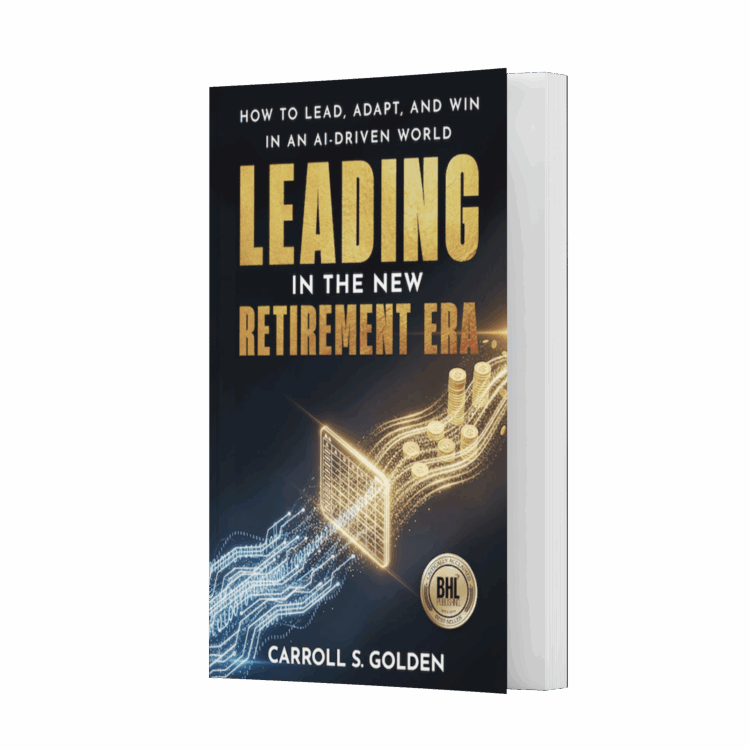
For those looking to deepen their understanding of how retirement, caregiving, and evolving family dynamics are reshaping financial planning, Leading in the New Retirement Era offers valuable insights.
The book explores how financial professionals can adapt to modern challenges and better serve clients through thoughtful, forward-looking strategies—making it a meaningful resource for anyone committed to more holistic, human-centered planning.