
Women’s History Month: Honoring Strength, Care, and the Right for Fulfillment
Retirement Strategist Carroll Golden

Women’s History Month: Honoring Strength, Care, and the Right for Fulfillment – Every March, Women’s History Month invites us to pause, reflect, and honor the women who shaped our world. It’s not just about looking back—it’s about moving forward with purpose. Throughout history, women have been builders, thinkers, caregivers, and changemakers. They’ve sparked revolutions, raised families, created art, healed bodies, led movements, and loved deeply. Some names are etched in textbooks.
Most are not.
But whether in public or in private, women’s contributions have been powerful—and often overlooked.
A Brief Look at the History
This month of remembrance didn’t start big. It began in 1909 as a single day, then expanded to a week in 1978, and finally grew into a full Women’s History Month in 1987. The timing was intentional—March aligns with International Women’s Day on March 8th, reinforcing a global movement of recognition and equality.
Each year, a national theme is chosen to help communities, educators, and organizations focus their events and learning. The President of the United States also issues an official proclamation, acknowledging the month and encouraging all Americans to reflect on the vital role women play in shaping society.
And everywhere you look during March, you’ll see purple. Purple is the international color for women and gender equality, symbolizing dignity, justice, and visionary thinking. It’s a reminder: this month is about presence, purpose, and pride.
How It’s Celebrated
From classrooms to boardrooms, Women’s History Month comes alive in different ways:
Education: People learn about women who made breakthroughs in science, politics, literature, law, and more—names like Marie Curie, Amelia Earhart, Malala Yousafzai, Ruth Bader Ginsburg, and Frida Kahlo.
Commemoration: Events and exhibits recognize both well-known and unsung heroes.
Inspiration: The stories shared help spark confidence in young girls and fuel reflection in women of all ages.
But while we celebrate leadership, we must also look closely at caregiving—the kind that’s done in silence, in sweatpants, behind closed doors.
Because women don’t just shape history in headlines, they shape it at kitchen tables, in hospital rooms, and through long nights of unpaid, unrecognized labor.
The Hidden Cost of Care
Caregiving is love in action. But it can quietly derail a woman’s ability to build a life of her own.
Let’s meet Angela.
She’s 48. Married. Her youngest just left for college. She spent the past 20 years working part-time, managing the home, and caring for her mother-in-law during a long illness. She made birthdays magical and never missed a field trip. But now, the house is quiet, and something’s gnawing at her.
“I’ve been so good at taking care of everyone else,” she tells a friend. “But I don’t know if I’ve taken care of me.”
She opens her retirement account. It’s far less than she thought.
She thinks about traveling. It feels out of reach.
She tries to picture what her next chapter looks like—and it’s a blur.
Angela is not alone.
Why Financial Independence Matters
Whether you’re married, single, divorced, or widowed, you need a plan. Not tomorrow. Now.
Financial independence doesn’t mean wealth. It means security. It means being able to say yes—or no—on your own terms. It means having options. Having peace of mind. It means caring for yourself as deeply as you’ve cared for others.
And no, it’s not too late to start.
Angela Took a Few Simple Steps
She didn’t hire a team of experts or suddenly become a budgeting wizard. She just started small. These two tools are just examples, and you will need to find tools that work for you:
You Need A Budget. Angela discovered that there are many different versions of YNAB to track her spending. It felt like labeling a cluttered closet. Now she knows what’s going out, what’s being saved, and what she wants to prioritize. She even created a “Freedom Fund”—just for things that feed her soul.
Ellevest. This, as well as other financial platforms, is designed for women. She joined for the free tools and stayed for the sense of empowerment. She learned how to make smarter money choices—without shame and without being talked down to.
These weren’t life-changing overnight. But they gave her something she hadn’t felt in years: control.
A Few Simple Starting Points:
Know your numbers. What’s coming in? What’s going out? What’s growing, and what’s being lost to debt or delay?
Set a personal savings goal. Even if it starts small, it’s the habit that matters.
Schedule financial check-ins. Monthly, quarterly—whatever works. But treat your financial health like your physical health. Regular attention leads to better outcomes.
Talk. With a friend. A coach. A financial advisor. A mentor. Talk about money. Say the scary stuff out loud. Clarity grows in conversation.
Financial independence doesn’t mean you stop caring for others. It means you also care for yourself—your future, your dreams, your peace of mind.
And if you’re already a caregiver, then you already know what it means to show up, to make things work, and to do hard things.
So yes, you can do this too!

The Power of Conversation
The most significant shift didn’t come from spreadsheets. It came from talking.
Angela sat down with her husband and said, “We need to look at where we’re heading. Not just financially, but emotionally. I need more than survival—I want fulfillment.”
She met with a financial advisor and asked, “What would it take to retire at 65 comfortably?”
She asked her grown kids, “If I start traveling or even move one day, will you support me in that?”
These conversations were new. A little awkward. But they unlocked something.
Angela realized she had put her needs on hold for so long that she wasn’t even sure what they were anymore.
What About You?
You don’t need to have it all figured out. But you do need to begin. Ask yourself:
What does financial freedom mean to me—not in theory, but in practice?
Do I have a plan that leads me toward a fulfilling future?
What’s missing—from tools to conversations to clarity?
Maybe you’ve let someone else “handle the money.”
Maybe you’ve been too busy caregiving to focus on your own health.
Maybe you’ve believed the quiet lie: “It’s too late.”
But here’s the truth:
-It’s not too late.
-You are not behind unless you do not move forward.
-And it’s not selfish to want more for yourself.
Start Where You Are
If you’re feeling overwhelmed, try this:
Pick one tool.
Write down one question you’ve been avoiding.
Have one honest conversation—with yourself, your partner, your family, or a trusted advisor.
Remember: caregiving is powerful. But so is clarity.
You can be generous and grounded. You can love others and secure your future.
Women’s History Month is About More Than the Past
It’s about showing women what’s possible. It’s about reminding every woman that her story matters—not just what she’s done for others, but what she dreams for herself.
Angela is just one example. Her story might be yours. Or it might belong to someone you love.
This March, as we honor the women who shaped history, let’s also prepare the ground for the women who will shape what’s next.
Let’s:
See each other.
Support each other.
Speak up for the lives we want—and deserve.
Women’s History Month is about more than posters and hashtags. It’s a powerful reminder that half of humanity carries half the history. And it’s time we saw it, honored it, and passed it on.
We owe that to the women who came before us.
We owe that to the women around us.
And most of all—we owe it to ourselves.
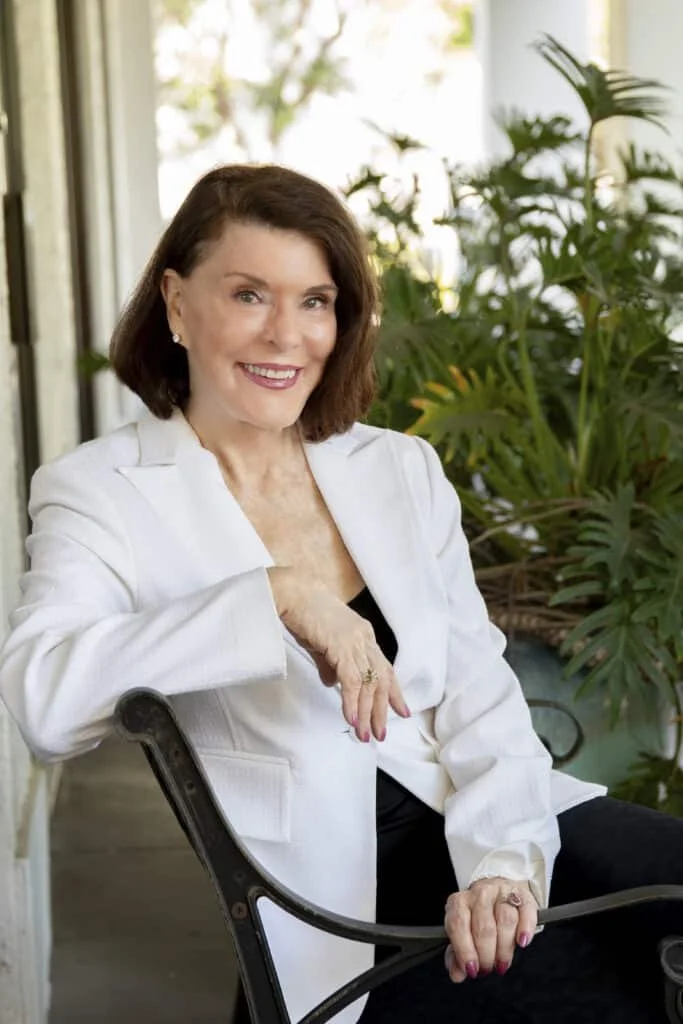
“We honor the past by preparing for the future. Every woman deserves to care deeply—for others, yes—but also for herself, her dreams, and her financial freedom.” — Carroll Golden
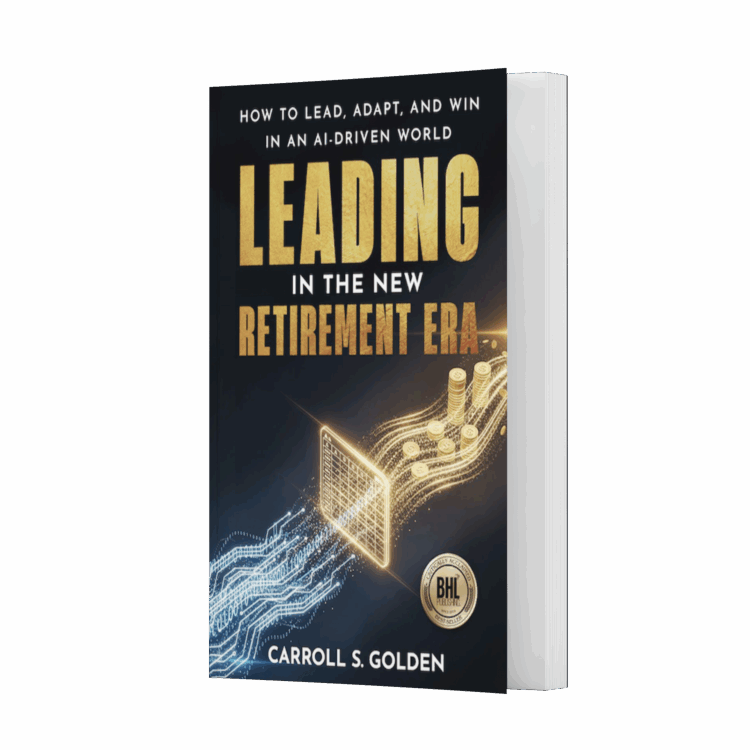

📘 This blog builds on themes from my book, Leading in a New Retirement Era: How to Lead, Adapt, and Win in an AI-Driven World. It’s not about creating a one-size-fits-all retirement—it’s about understanding your influences, your finances, and your future so your plan is truly yours.
Disclaimer: This material does not constitute tax, legal, investment, or accounting advice and is not intended for use by a taxpayer for the purposes of avoiding any IRS penalty. Comments on taxation are based on tax law current as of the time this article was produced.