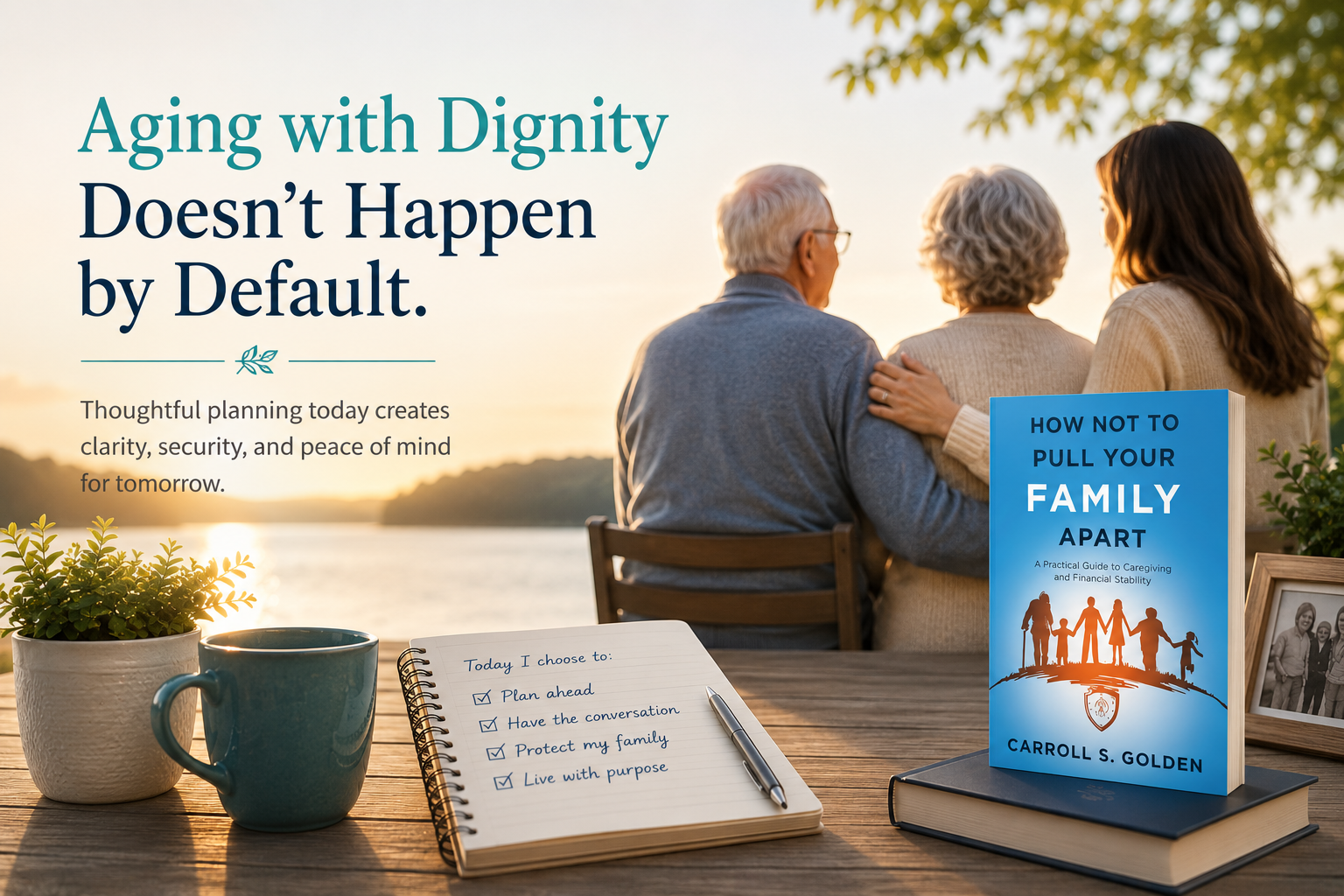
Aging with Dignity Doesn't Happen by Default
Retirement Strategist Carroll Golden
There is a common misconception that aging works itself out.
Many people assume they'll simply cross that bridge when they get there. They believe their family will know what to do, that retirement savings will somehow be enough, or that healthcare decisions can wait until they become necessary.
Unfortunately, life rarely works that way.
I've spent years helping families navigate the realities of caregiving, retirement, and long-term planning. One lesson has become increasingly clear: aging with dignity doesn't happen by accident—it happens through preparation.
The Planning Gap Between Generations
I often hear adult children say, "We'll figure it out when the time comes."
It's a loving response, but it's rarely an effective one.
Today's younger generations face very different realities than their parents and grandparents did. They're raising families, managing careers, paying mortgages, and trying to build financial security while simultaneously preparing to support aging parents.
The challenge isn't a lack of love.
It's a lack of planning.
Without honest conversations and thoughtful preparation, families often find themselves making emotional decisions during medical emergencies—precisely when clear thinking is most difficult.
Yesterday's Retirement Isn't Today's Reality
Many of us remember grandparents who remained financially independent throughout retirement. They may have had pensions, lower healthcare costs, or family structures that made caregiving simpler.
Today's retirees face a different landscape.
People are living longer than ever before. While that's something to celebrate, it also means retirement may last 25 or even 30 years. Healthcare expenses continue to rise, and many families are supporting multiple generations at the same time.
Longer lives require longer plans.
Ignoring that reality doesn't make it disappear.
Planning Is an Act of Love
Too often, people view long-term care planning as preparing for decline.
I see it differently.
Planning is about preserving choices.
It's about making your wishes known while you can clearly express them. It's about reducing uncertainty for your spouse, your children, and everyone who may one day help care for you.
When families understand each other's values and expectations before a crisis occurs, they spend less time arguing about decisions and more time supporting one another.
That's one of the greatest gifts we can leave behind.
Start the Conversation Before You Need It
There will never be a perfect time to discuss aging.
But there is a better time.
That time is now.
You don't need every legal document completed this week or every financial decision finalized tomorrow. What matters most is opening the conversation.
Ask your loved ones questions.
Talk about where you'd like to live as you grow older.
Discuss healthcare preferences.
Explore the financial resources available.
Most importantly, listen.
These conversations build confidence—not fear.
A Legacy Beyond Wealth
When people think about legacy, they often think about passing along money or possessions.
I believe legacy is much bigger than that.
The greatest inheritance we can leave our families is clarity.
When we've planned ahead, documented our wishes, and had the conversations that matter, we leave behind something invaluable: peace of mind.
Aging with dignity isn't about avoiding life's challenges.
It's about ensuring those challenges don't divide the people we love.
Because the strongest families aren't the ones that never face difficult seasons.
They're the ones who prepared for them together.
Continue the Conversation
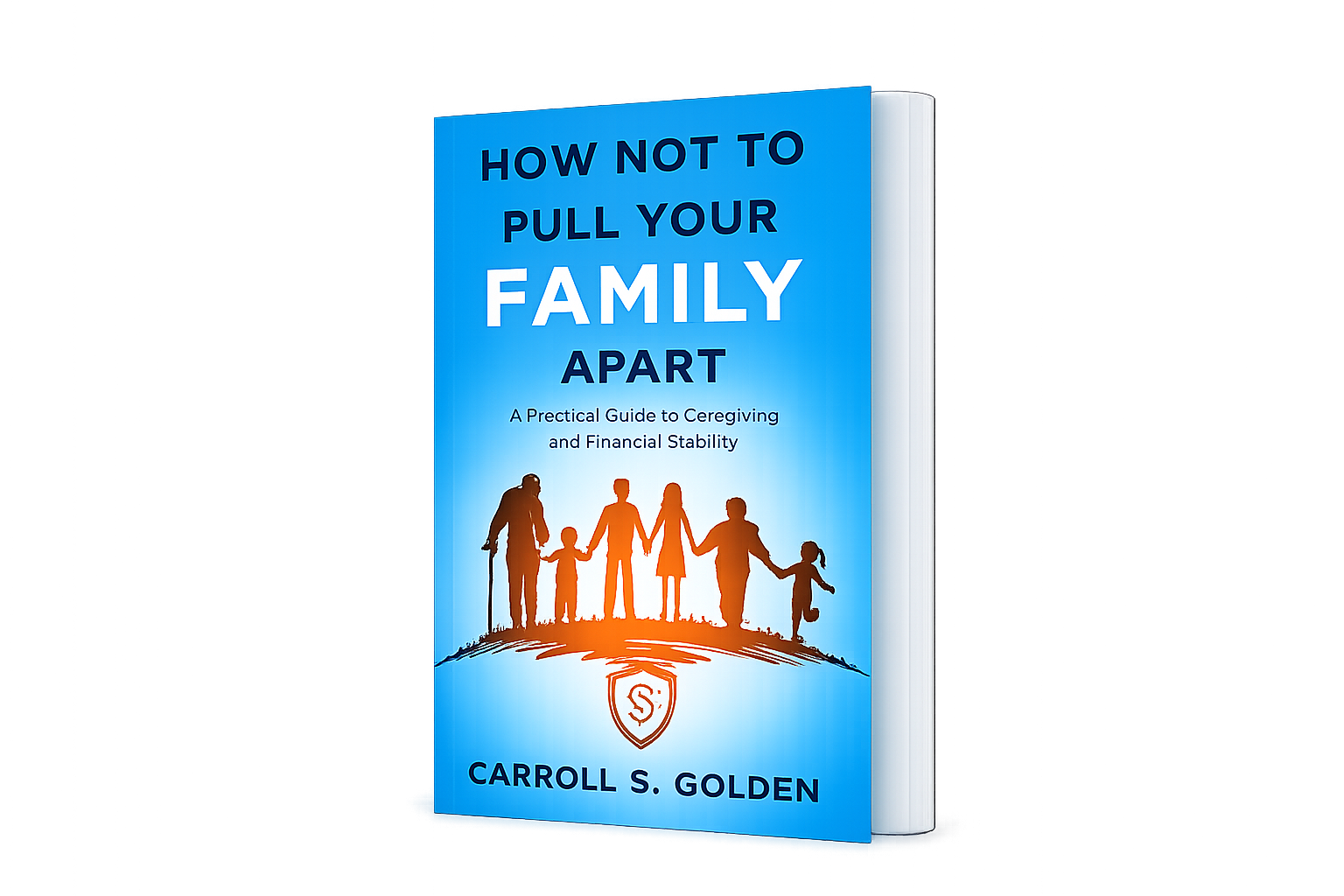
These are some of the important themes I explore in my book, How Not To Pull Your Family Apart: A Practical Guide to Caregiving and Financial Stability. My hope is that every family begins these conversations early—before decisions become urgent and while everyone still has the opportunity to plan with confidence, compassion, and purpose.