Hack Away at the Noise: Why Simplicity Is One of the Greatest Retirement Strategies
Retirement Strategist Carroll Golden
We live in a world that constantly tells us more is better.
More information. More commitments. More possessions. More investments. More notifications.
Yet, one of my favorite Bruce Lee quotes offers a very different perspective:
"It's not a daily increase, but a daily decrease. Hack away at the inessentials."
I've found that this philosophy applies just as powerfully to retirement and longevity planning as it does to life itself.
The challenge isn't usually that people don't have enough information.
The challenge is that they have too much.
The Cost of Constant Noise
When people think about planning for retirement, they often focus only on money.
While financial security certainly matters, longevity planning is much bigger than investment accounts and retirement income.
It's about creating a life that remains meaningful, manageable, and sustainable for decades.
Unfortunately, many people become overwhelmed by endless financial opinions, healthcare decisions, insurance products, legal documents, and conflicting advice. Instead of creating clarity, all of that information often creates confusion.
Planning shouldn't leave you feeling exhausted.
It should leave you feeling prepared.
Longevity Changes the Conversation
People are living longer than previous generations, and that changes almost everything.
Longer lives often mean longer retirements, changing healthcare needs, evolving family responsibilities, and a greater likelihood of requiring some form of long-term care.
The COVID-19 pandemic reminded all of us how quickly life can change.
Families suddenly found themselves navigating healthcare systems, caregiving responsibilities, financial uncertainty, and difficult conversations they never expected to have.
For many, it became a wake-up call.
Not simply about health—but about preparation.
Focus on What Truly Matters
When we remove unnecessary distractions, we create room for better decisions.
That begins by asking simple but powerful questions:
Have I discussed my wishes with my family?
Would my loved ones know what to do if something happened tomorrow?
Do I have a realistic plan for long-term care?
Are my financial resources aligned with my future needs?
Have I prepared my family emotionally as well as financially?
These questions don't require perfection.
They require honesty.
Simplicity Creates Confidence
I've worked with many families over the years, and I've noticed something important.
The families who navigate life's transitions most successfully aren't always the wealthiest.
They're often the ones who planned early, communicated openly, and kept their priorities clear.
They eliminated unnecessary complexity before a crisis forced them to.
That kind of preparation creates confidence—not only for the individual but for everyone who loves them.
A Better Legacy
When people think about legacy, they usually think about passing on wealth.
I think legacy is much more than that.
Legacy is leaving behind clear instructions instead of uncertainty.
It's leaving behind conversations instead of unanswered questions.
It's leaving behind peace instead of conflict.
Sometimes the most valuable thing we can do isn't adding something new.
Sometimes it's removing the distractions that keep us from focusing on what matters most.
As Bruce Lee wisely reminded us, success isn't always about adding more.
Sometimes it's about hacking away at the noise so what truly matters can finally be seen.
Continue the Conversation
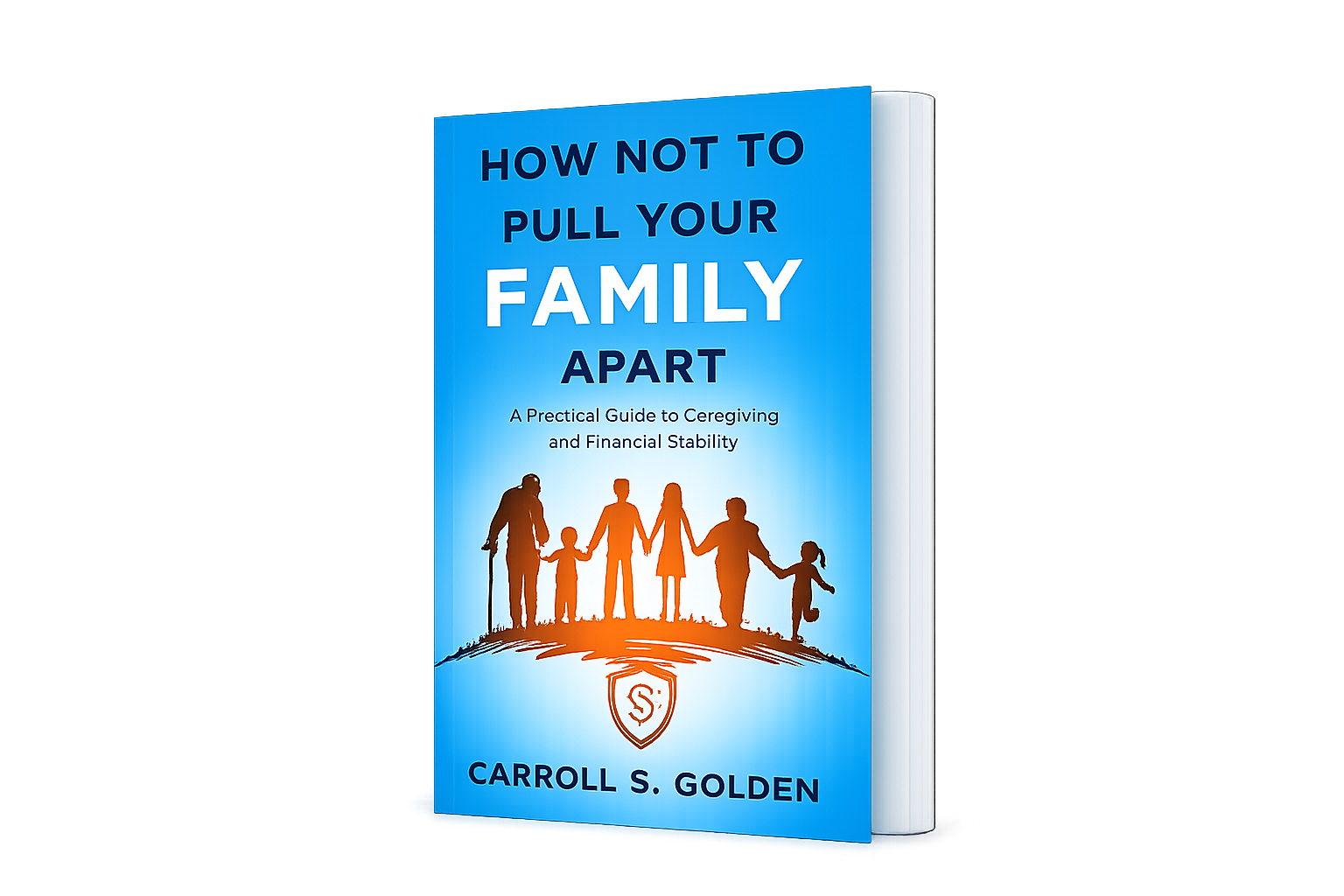
These ideas are explored in greater depth in my book, How Not To Pull Your Family Apart: A Practical Guide to Caregiving and Financial Stability. My goal is to help families simplify complex decisions, prepare for longevity with confidence, and create plans that protect both their financial future and their relationships.
Because the best plans aren't necessarily the most complicated—they're the ones your family can understand, trust, and follow.