Is “Average” Enough When It Comes to Retirement?
Retirement Strategist Carroll Golden

The word “average” can be comforting.
It suggests stability. It suggests that if we are doing what most people are doing, we must be on the right path.
But when it comes to retirement planning, relying on what is average may not always provide the security we hope for.
For many retirees, Social Security represents an important part of their retirement income. Understanding what those benefits can—and cannot—provide is an essential step in preparing for a financially secure future.
The Changing Reality of Retirement
When Social Security was introduced in 1935, retirement looked very different.
At that time, life expectancy was much shorter, and the system was designed around a different population and different expectations.
Today, people are living longer, healthier lives. While longevity is something to celebrate, it also creates new financial challenges.
A retirement that once lasted a few years may now last decades.
That means the question is no longer simply:
"Will I have enough income to retire?"
The more important question is:
"Will my income continue to support my lifestyle throughout a longer retirement?"
Social Security Is a Foundation, Not the Entire Plan
Social Security was never designed to replace all retirement income.
For many people, it provides an important foundation—but a foundation still needs support.
Housing costs, healthcare expenses, inflation, and long-term care needs can significantly affect retirement finances.
Many families discover that the income they considered "average" may not stretch as far as they expected.
Retirement planning requires looking beyond today's numbers and considering tomorrow's realities.
The Timing of Benefits Matters
One of the most important decisions retirees face is when to begin claiming Social Security benefits.
Some individuals choose to claim benefits early because they want immediate income. Others wait to potentially receive higher monthly benefits later.
There is no universal answer.
The right decision depends on your health, financial situation, retirement goals, and overall longevity plan.
This is why understanding your personal circumstances matters more than simply following what is considered "normal."
Longevity Changes Everything
Living longer is a gift—but it also requires preparation.
A longer retirement means more years of:
Healthcare expenses
Potential caregiving needs
Financial decisions
Lifestyle adjustments
The challenge is not just reaching retirement.
The challenge is creating a plan that supports the life you want to live after you get there.
Move Beyond Average Thinking
Average statistics can provide useful information, but they don't tell your personal story.
Your retirement journey is shaped by your choices, your resources, your health, and your family circumstances.
The goal isn't to match what everyone else is doing.
The goal is to create a retirement strategy that works for you.
A Final Thought
Retirement planning is not about finding a single number or following a standard formula.
It's about asking the right questions:
Will my income support my future needs?
Have I considered healthcare and long-term care costs?
Have I discussed my plans with my family?
Am I prepared for a longer retirement?
Because when it comes to retirement, being average may not always be enough.
The best plans are not built around assumptions.
They are built around awareness, preparation, and purpose.
Continue the Conversation
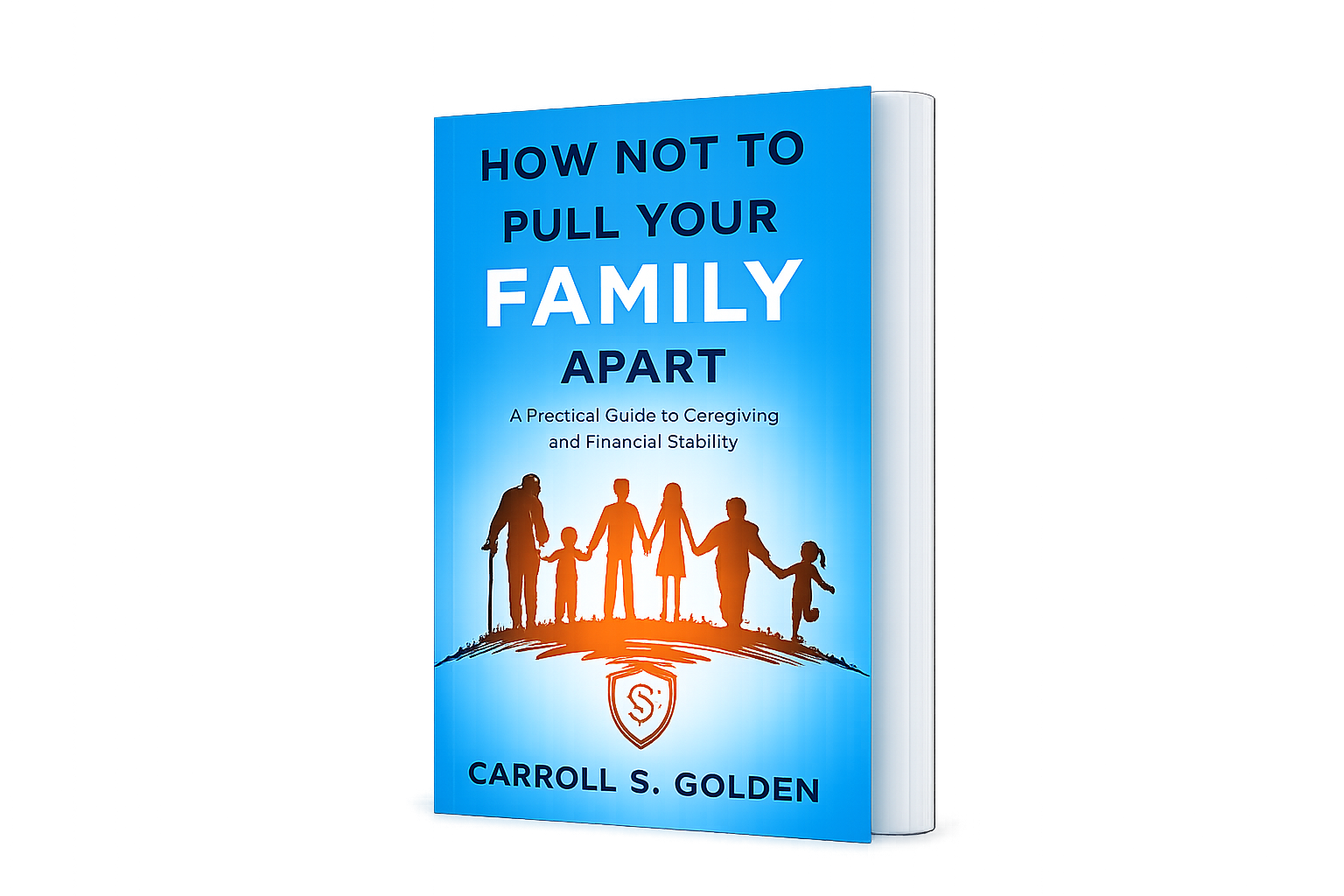
These are the kinds of important conversations I explore in my book, How Not To Pull Your Family Apart: A Practical Guide to Caregiving and Financial Stability. My goal is to help families understand the realities of longevity, retirement planning, and caregiving so they can make informed decisions before challenges arise.