
Flexible Does Not Mean Weak: Why Adaptability Matters in the Age of AI
Retirement Strategist Carroll Golden
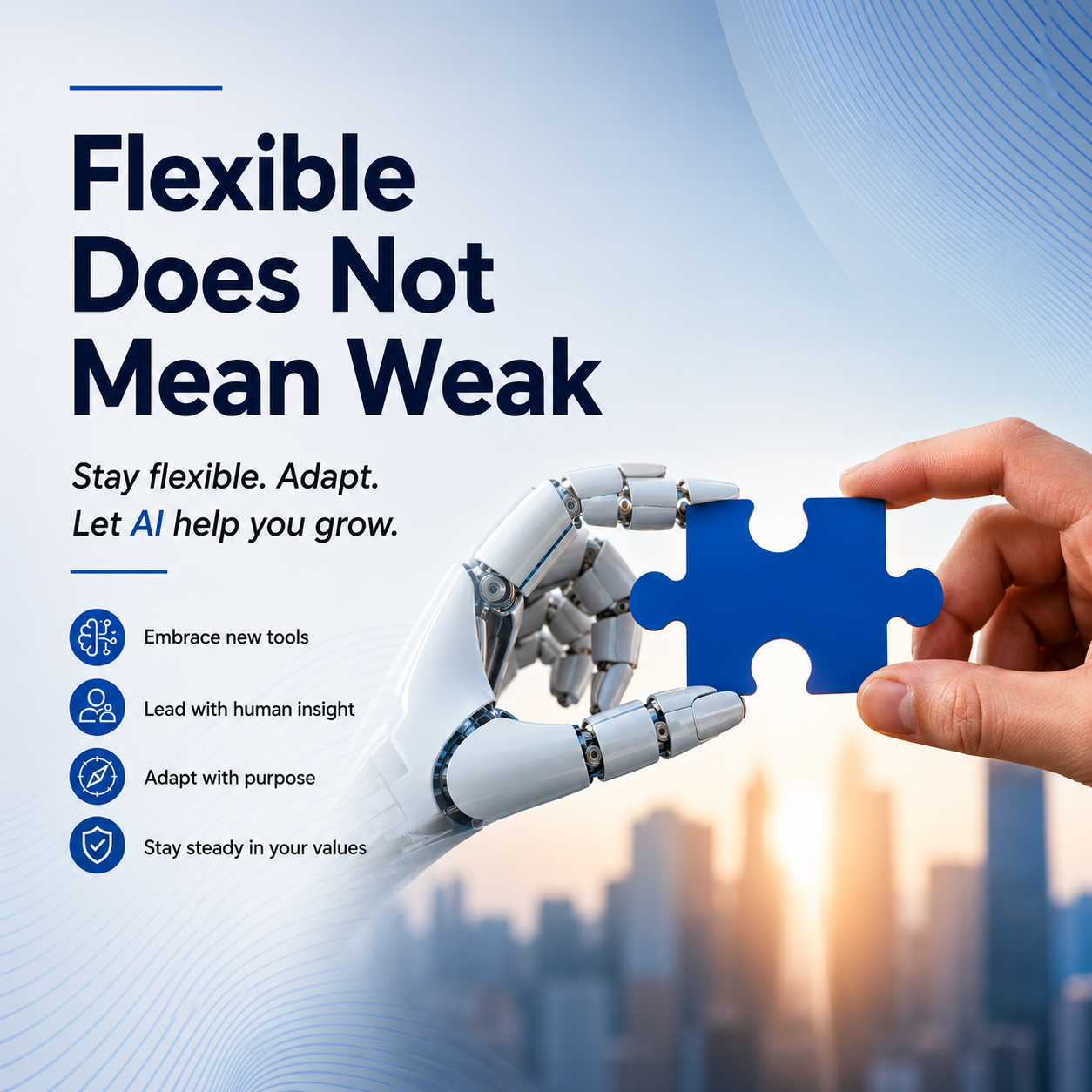
Originally inspired by a recent LinkedIn reflection on adaptability, leadership, and the thoughtful use of artificial intelligence.
June reminds us that change is part of growth.
The seasons shift. Days become longer. New opportunities emerge. Growth rarely occurs when everything remains the same.
The same principle applies to our professional lives.
In a recent LinkedIn post, I reflected on a simple but increasingly important idea: flexibility does not mean weakness. As artificial intelligence continues to reshape the workplace, that distinction has become more relevant than ever.
Today, one of the most significant changes influencing how we work is the rapid rise of AI tools. These technologies are transforming how we communicate, analyze information, solve problems, and serve others.
As with any major shift, reactions vary.
Some people resist AI simply because it feels unfamiliar. Others embrace it without taking the time to understand its strengths, limitations, or appropriate applications.
Neither approach is particularly helpful.
There is a better path.
The Difference Between Flexibility and Blind Acceptance
When discussing AI, flexibility is often misunderstood.
Being flexible does not mean accepting every new technology simply because it exists.
It does not mean abandoning critical thinking.
It does not mean replacing human judgment with automation.
Instead, flexibility means remaining open to learning.
It means exploring new possibilities while carefully evaluating their usefulness.
The goal is not to follow every trend. The goal is to understand which tools can genuinely improve outcomes while remaining aligned with our values and responsibilities.
Adaptability is not weakness.
It is wisdom in action.
"Flexibility Is the Key to Stability"
Legendary basketball coach John Wooden once said:
"Flexibility is the key to stability."
At first glance, the statement may seem contradictory.
Many people associate stability with consistency and predictability. Yet history repeatedly shows that individuals and organizations remain stable precisely because they are willing to adapt when circumstances change.
The businesses that successfully navigated technological revolutions were not always the largest or most established.
They were often the most adaptable.
The same may prove true during the AI era.
AI Should Support Human Strengths, Not Replace Them
Artificial intelligence excels at processing information quickly.
It can identify patterns, summarize large amounts of data, automate repetitive tasks, and assist with research.
These capabilities create valuable opportunities to work more efficiently and effectively.
However, there are qualities AI cannot replicate.
It cannot replace empathy.
It cannot fully understand human relationships.
It cannot exercise moral judgment.
It cannot bring lived experience to deeply personal decisions.
These uniquely human strengths remain essential, particularly in professions built on trust, guidance, and meaningful relationships.
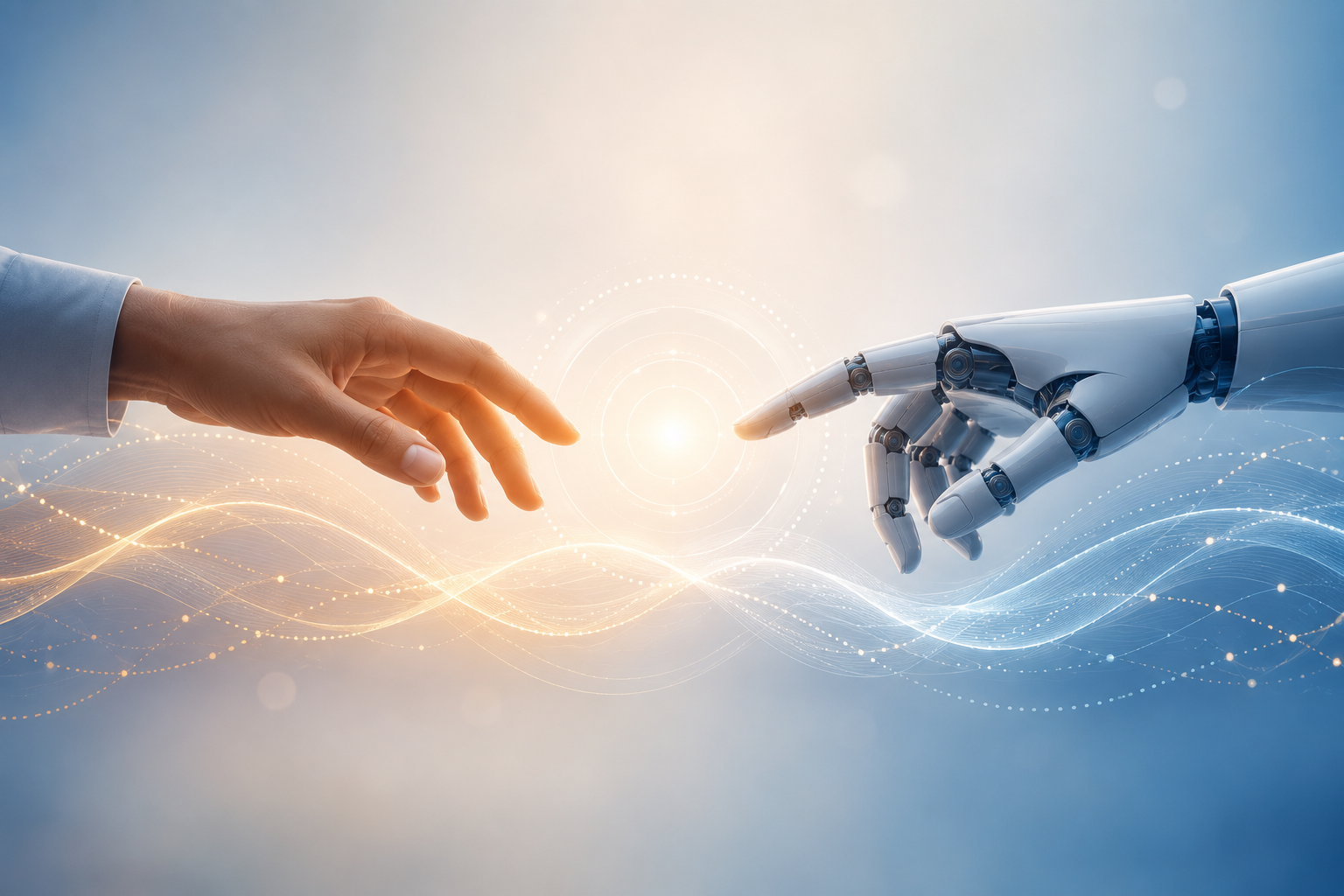
The most effective use of AI is not replacing people.
It is helping people perform their work more effectively.
What This Means for Financial Professionals
For financial advisors and wealth management professionals, adaptability has become increasingly important.
Clients today are navigating longer lifespans, changing family dynamics, caregiving responsibilities, evolving retirement needs, and unprecedented technological change.
Their questions extend far beyond investment performance.
They seek guidance, clarity, confidence, and perspective.
AI may help advisors organize information, streamline administrative work, conduct research, and improve efficiency.
Yet meaningful planning still depends on human conversation.
It depends on understanding family goals, values, concerns, and aspirations.
Technology can enhance these interactions, but it cannot replace them.
The future belongs to professionals who successfully combine technological capabilities with human insight.
Staying Grounded While Moving Forward
Thoughtful leadership requires balance.
We should not reject new tools simply because they are unfamiliar.
Nor should we adopt them without careful consideration.
Instead, we can remain curious.
We can learn.
We can evaluate.
We can adapt.
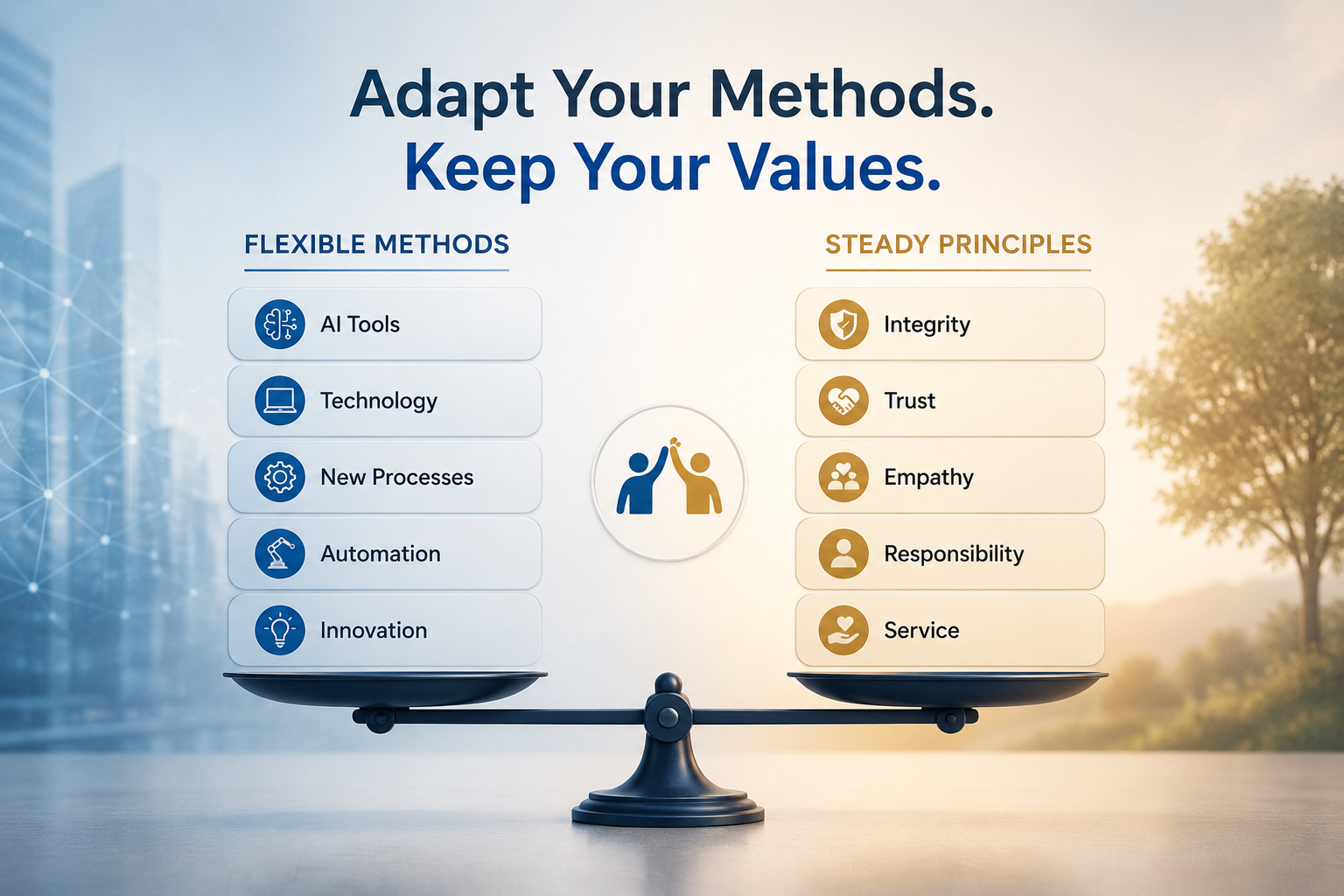
Most importantly, we can continue to anchor our decisions in principles that do not change—integrity, empathy, responsibility, and service.
These qualities remain valuable regardless of how technology evolves.
Final Thoughts
The rise of AI is not simply a technology story.
It is a leadership story.
It is a story about how individuals and organizations respond to change.
Flexibility does not mean abandoning your principles.
It means adjusting your methods while remaining steadfast in your values.
As new technologies continue to emerge, the goal is not to chase every innovation.
The goal is to stay curious, learn what is useful, and move forward with purpose.
Be flexible with your methods.
Stay steady in your principles.
Continue the Conversation
This article expands on a recent LinkedIn reflection about adaptability, leadership, and the thoughtful use of artificial intelligence.
I regularly share insights on healthcare and wealthcare integration, longevity planning, leadership, and the future of financial advice. I invite you to continue the conversation by reading the original LinkedIn post and connecting with me there.
View the original LinkedIn post:
https://www.linkedin.com/posts/carrollgolden_artificialintelligence-leadership-futureofwork-activity-7467560973042630656-IVM-