
The Risk of Closing the Door on AI
Retirement Strategist Carroll Golden
Artificial intelligence has become one of the most discussed topics in business today. For some, it represents exciting possibilities. For others, it creates uncertainty and concern.
That reaction is understandable.
New technologies often challenge familiar routines. They change workflows, introduce new terminology, and force us to reconsider established processes. AI is no different.
Yet one of the greatest risks may not be AI itself. The greater risk may be deciding not to engage with it at all.
Every Major Innovation Begins with Discomfort
History shows that transformative technologies are rarely embraced immediately.
The internet was once viewed with skepticism. Smartphones were initially seen as unnecessary by many professionals. Digital banking, cloud computing, and virtual meetings all faced resistance before becoming commonplace.
AI is following a similar path.
The discomfort many people feel today often stems from uncertainty rather than experience. Concerns about accuracy, ethics, privacy, and job displacement deserve thoughtful discussion. However, meaningful evaluation requires understanding what the technology can and cannot do.
Closing the door before learning about AI limits our ability to make informed decisions about its role in our personal and professional lives.
Openness Does Not Mean Blind Trust
One of the most common misconceptions about AI is that embracing it requires accepting every output it produces.
It does not.
Being open to AI means approaching it with curiosity and critical thinking.
It means asking questions.
It means testing results.
It means understanding limitations.
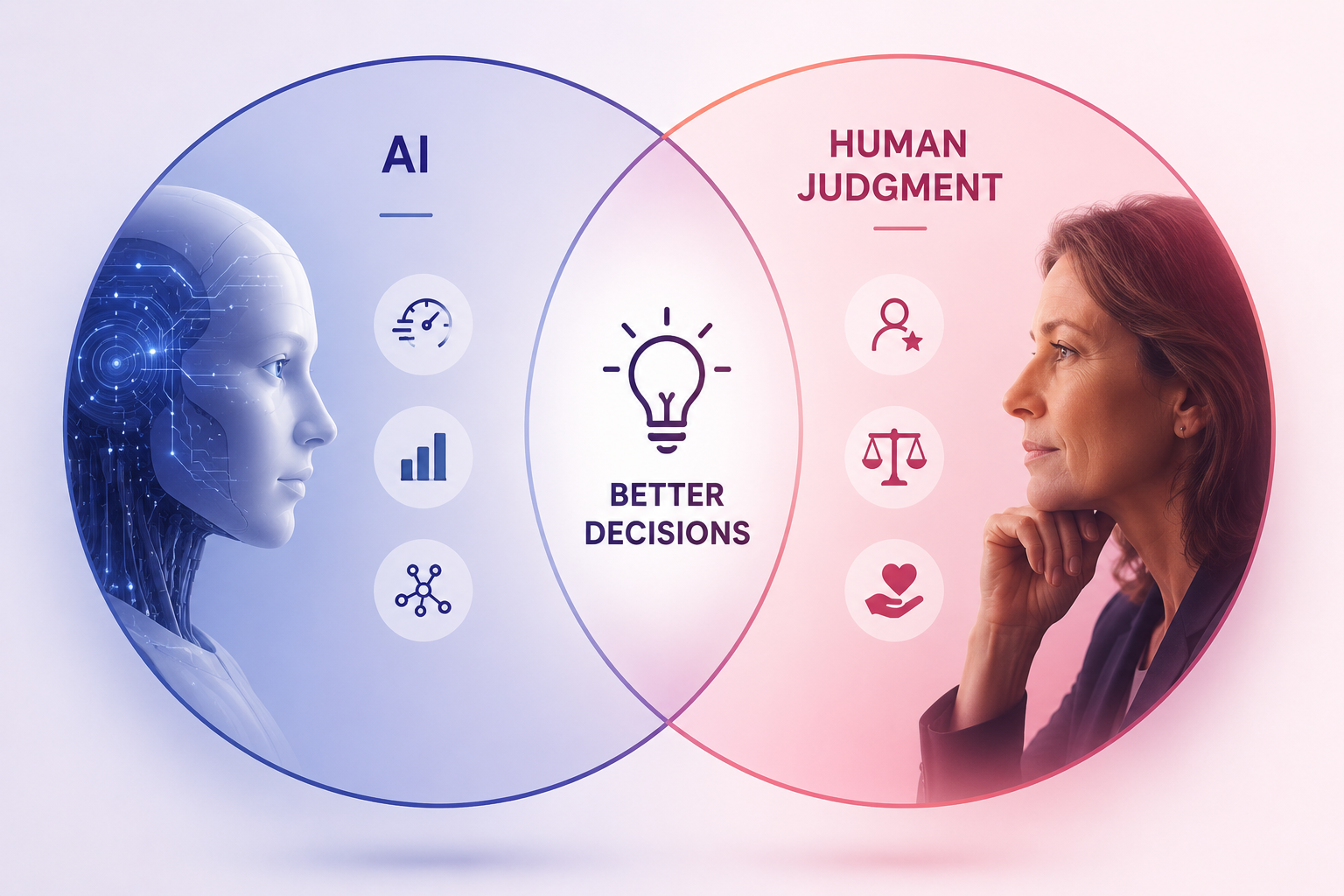
Most importantly, it means continuing to apply human judgment.
AI can process information quickly, identify patterns, and generate ideas. However, it cannot replace wisdom, empathy, experience, or ethical decision-making. Those remain uniquely human responsibilities.
The goal is not to surrender judgment to technology. The goal is to use technology in ways that enhance our ability to solve problems and serve others more effectively.
The Opportunity for Financial Professionals
For financial advisors and wealth management professionals, AI presents both challenges and opportunities.
Clients continue to expect personalized guidance, meaningful conversations, and trusted relationships. These expectations are unlikely to disappear.
What may change is how professionals allocate their time.
AI has the potential to assist with research, administrative tasks, content development, data organization, and client communication preparation. When used thoughtfully, these tools can create greater efficiency and allow advisors to focus more attention on the human side of planning.
The most successful professionals may not be those who know the most about technology. They may be those who learn how to combine technological capabilities with emotional intelligence, strategic thinking, and relationship management.
Curiosity Creates Competitive Advantage
In rapidly changing environments, curiosity often becomes a competitive advantage.
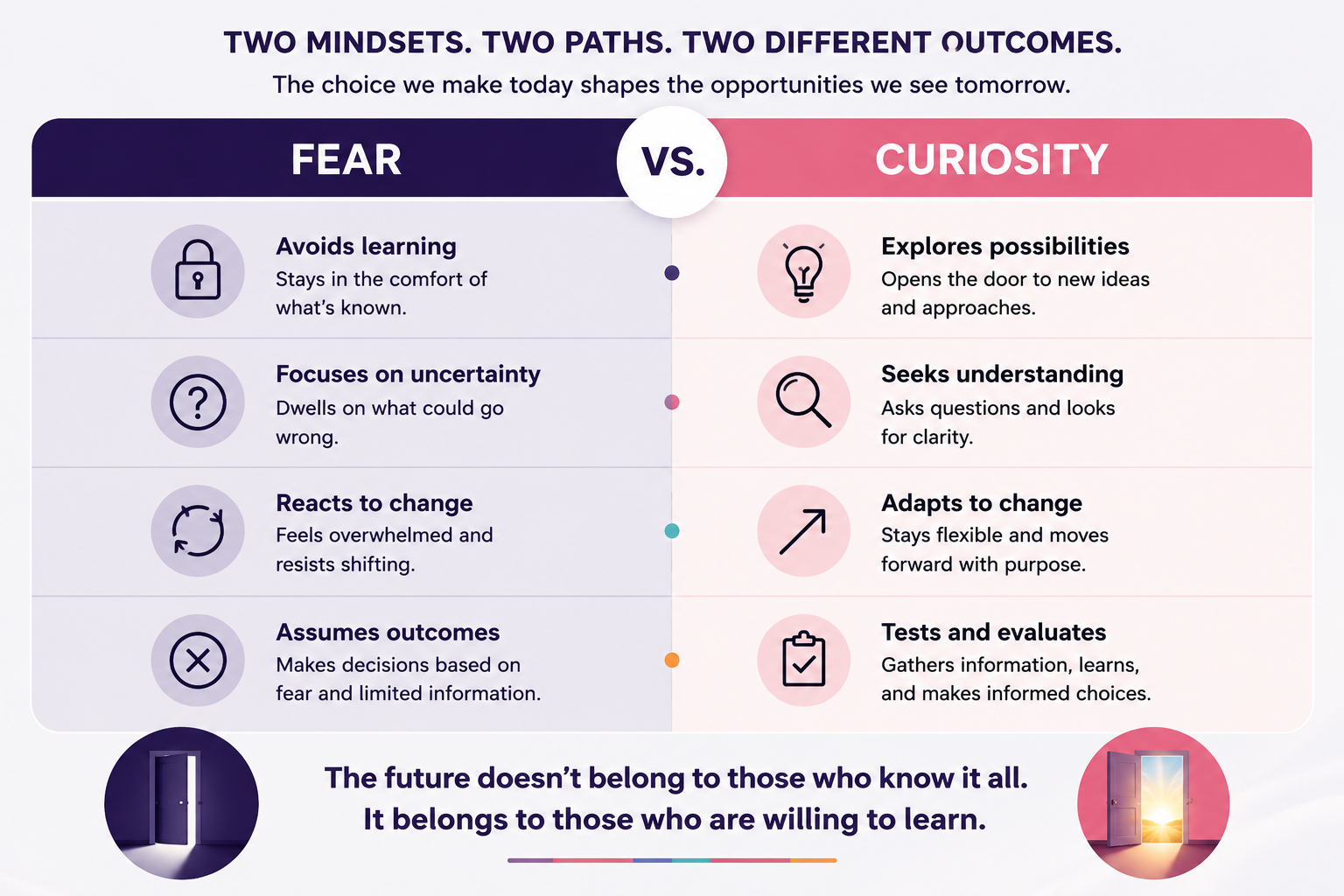
Curious individuals are more likely to explore new tools, evaluate opportunities objectively, and adapt to evolving circumstances.
This does not require becoming a technology expert overnight.
It simply requires a willingness to learn.
The organizations and professionals that thrive during periods of transformation are often those that remain open-minded while maintaining healthy skepticism. They ask thoughtful questions, seek understanding, and make informed decisions rather than reacting from fear.
Let New Light In
As the days grow longer and brighter, June offers a useful reminder.
More light allows us to see possibilities that may have previously remained hidden.
AI should be approached in much the same way.
Not with unquestioning acceptance.
Not with immediate rejection.
But with curiosity, thoughtful evaluation, and a commitment to learning.
The future belongs to those who remain adaptable enough to explore new paths while grounded enough to apply sound judgment along the way.
Stay curious.
Stay thoughtful.
Stay willing to adapt.