Planning for Care Is a Family Project
Retirement Strategist Carroll Golden
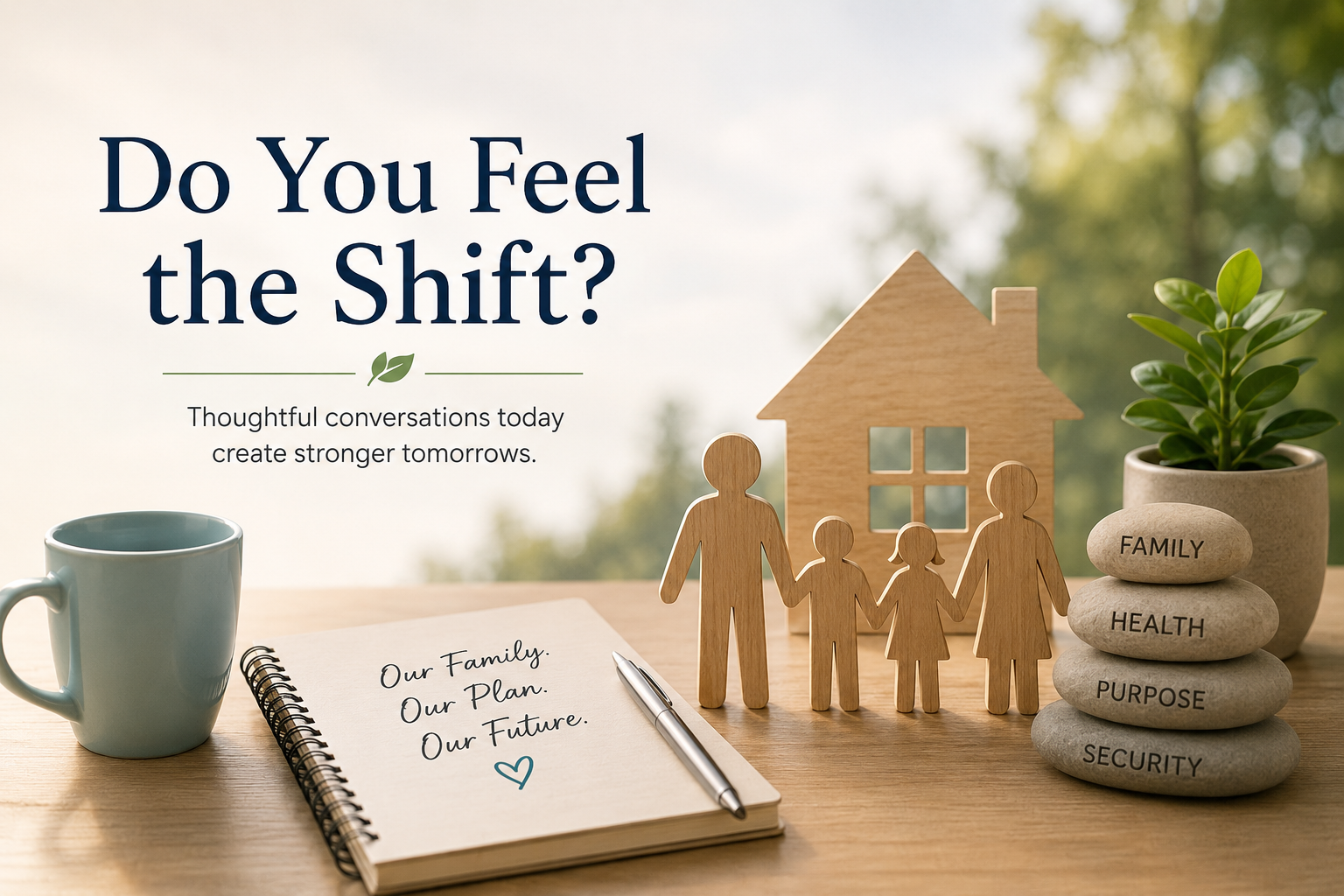
When families begin talking about extended or long-term care, they often discover that everyone comes to the conversation with a different perspective.
One person may be focused on finances. Another may be worried about independence. Someone else may simply want to avoid becoming a burden to their children. These differences can make planning feel complicated—and sometimes emotionally charged.
But avoiding the conversation does not make the need for planning disappear.
In 2026, people are living longer, families are more geographically dispersed, and the realities of retirement and caregiving continue to evolve. Planning for the later stages of life requires more than simply asking, “Do we have enough money?”
It requires a family conversation.
Think of It Like Renovating a Home
I often think of planning for care as being similar to renovating a family home.
A home has history. It holds memories, relationships, and emotional connections that may span generations. But when it is time to make changes, everyone involved may have a different idea about what the finished project should look like.
One person may want to preserve everything. Another may want to make significant changes. Someone else may be concerned about the cost.
Eventually, however, the family has to move beyond individual preferences and begin working through the realities of the project.
Planning for future care is much the same.
Everyone may have wishes and expectations, but not every wish will be financially or practically possible. That does not mean people should be excluded from the conversation. It means the conversation needs structure.
Step One: Gather Everyone’s Wishes
The first step is simply to listen.
Before discussing solutions, it is important to understand what matters to the people involved.
Questions might include:
Where would you prefer to live as you age?
Do you hope to remain in your current home?
What kind of assistance would you be comfortable receiving?
Who do you expect to be involved in your care?
How much financial support is available?
What concerns you most about the future?
What role do family members realistically want—and are able—to play?
This step is not about making promises.
It is about gathering information.
Too often, families skip directly to solutions before they have taken the time to understand everyone's concerns. That can create misunderstandings and resentment later.
Listening first creates a stronger foundation for the decisions that follow.
Step Two: Face the Reality Together
Once everyone has had an opportunity to share their thoughts, the next step is to examine what is actually possible.
This is where planning becomes more practical.
Families need to consider finances, health, living arrangements, available support, and the potential impact caregiving could have on family members.
For example, an adult child may genuinely want to provide care for a parent. But wanting to help and being able to provide ongoing care are not always the same thing.
Caregiving can affect employment, retirement savings, relationships, and emotional well-being. A plan that depends entirely on one family member making significant sacrifices may not be sustainable.
That is why it is important to look at the entire picture.
What resources are available?
What professional support may be needed?
What responsibilities can realistically be shared?
What happens if circumstances change?
These questions may not always produce easy answers, but avoiding them can create much bigger problems later.
Step Three: Build the Plan Together
Once wishes and realities are on the table, the family can begin building a plan.
Like a home renovation, there may need to be compromises.
Some priorities will be essential. Others may be preferences that need to change as circumstances evolve.
The goal is not to create a perfect plan. There probably is no such thing.
The goal is to create a plan that is realistic, flexible, and understood by the people involved.
That might include:
Reviewing retirement and other financial resources
Exploring options for extended or long-term care
Discussing the role family members are willing to play
Preparing important legal and financial documents
Considering future housing options
Creating contingency plans if health or financial circumstances change
Revisiting the plan as life changes
The key is that planning should not be treated as a one-time event.
Families change. Financial circumstances change. Health changes.
A good plan should be able to change as well.
An Inclusive Conversation Is Often a Better Conversation
One of the biggest mistakes families can make is assuming that planning should happen behind closed doors.
Sometimes people avoid involving family members because they do not want to worry them. Others believe that discussing finances or future care is too personal.
Of course, every family situation is different, and not every detail needs to be shared with everyone.
But when the people who may eventually be affected by a decision are completely excluded from the conversation, misunderstandings can grow.
Involving family members does not mean giving everyone control.
It means giving people an opportunity to understand the situation, ask questions, and prepare for what may come.
That can make an enormous difference later.
Start Before a Crisis Forces the Conversation
The best time to discuss future care is not necessarily when someone suddenly needs it.
A crisis can force families to make major decisions quickly, often when emotions are high and information is limited.
Planning ahead provides something extremely valuable: time.
Time to explore options.
Time to understand costs.
Time to have conversations that may otherwise be avoided.
And time to make decisions based on preferences rather than pressure.
That is why I believe planning for care should be viewed as a family project.
Not everyone will agree on every decision. There may be difficult conversations and necessary compromises along the way.
But working through those conversations together can help families move forward with greater clarity and confidence.
Just as a successful home renovation requires planning, communication, realistic expectations, and cooperation, so does preparing for the later stages of life.
The goal is not simply to prepare for what might happen.
It is to create a thoughtful plan that respects the people involved, acknowledges reality, and gives the family a clearer path forward—together.
Continue the Conversation
Planning for the future is about more than finances. It is about family, communication, caregiving, and making thoughtful decisions before a crisis forces your hand.
For a deeper exploration of these conversations and the challenges families face when planning for aging, caregiving, and long-term care, I invite you to read my book, How Not to Pull Your Family Apart: A Practical Guide to Caregiving and Financial Stability.
The book explores how families can navigate difficult decisions, communicate more effectively, and work together toward a plan that supports both the people receiving care and those providing it.
Learn more about the book and discover how thoughtful planning can help your family face the future with greater clarity and confidence.