When Love Becomes a Plan, the Plan Still Has to Work
Retirement Strategist Carroll Golden
A family can have the best intentions in the world. They can create trusts, sign documents, and carefully express their wishes for the people they love most. But if those wishes cannot be carried out when the time comes, the plan is not yet complete.
That is the deeper lesson behind so many legacy planning conversations. We often focus on whether the documents exist, whether the assets are titled correctly, and whether the tax strategy is sound. Those things matter. But a true legacy plan must also answer a more practical question: Can this plan actually work when life becomes emotional, complicated, and urgent?
I believe that is where integrated planning becomes essential.
Legacy Planning Is About More Than Documents
A plan on paper is only the beginning.
A grandparent may create trusts for grandchildren with clear purpose and deep love behind every decision. The family may understand the intent. Advisors may have helped build the legal structure. Yet all it takes is one unresolved administrative question, one unclear process, or one missing decision-maker to create delays, confusion, and conflict.
When that happens, the issue is no longer just financial. It becomes relational. Families can feel overwhelmed. Emotions rise. Trust is tested. And the very legacy that was meant to bring stability can instead create strain.
That is why legacy planning must go beyond the transfer of wealth. It must include the ability to implement the plan smoothly, clearly, and collaboratively.
The Missing Piece: Implementation
In my work, I often see plans that are technically complete but practically fragile.
The documents are there. The intentions are there. But the “how” has not been fully addressed.
Who understands the plan well enough to help carry it out?
Who will guide the family when emotions and logistics collide?
What conversations need to happen before a crisis, not during one?
Where are the gaps between legal planning, financial planning, healthcare planning, and family communication?
These are not secondary questions. They are central to whether a plan will actually succeed.
A legacy plan should not leave families guessing about next steps. It should not depend on assumptions, silence, or last-minute scrambling. It should be designed to support real people navigating real life.
Why Integrated Planning Matters
Integrated planning means linking goals, resources, responsibilities, and timelines in a way that reflects the whole life of the client—not just one piece of it.
That includes wealth, of course. But it also includes health, family dynamics, caregiving realities, housing decisions, support systems, lifestyle priorities, and the emotional meaning behind the plan itself.
When these pieces are treated separately, important details get missed. A financial strategy may not align with a care plan. A legal document may not reflect how the family actually functions. A client’s wishes may be clear in theory but difficult to honor in practice.
Integrated planning helps prevent that disconnect. It brings the plan together so that the client’s intentions are not only documented, but actionable.
Families Need More Than Information—They Need a Roadmap
Education matters. Families need to understand what documents exist, what the plan is meant to do, and what responsibilities may come with it. But education alone is not enough.
Families also need a roadmap.
They need a process that shows them how decisions will be made, who should be involved, what happens first, and where support will come from if circumstances change. They need space for conversation before stress and urgency take over. And they need trusted professionals who understand that implementation is not an afterthought—it is part of the planning itself.
This is especially important in multigenerational families, where one decision can affect children, grandchildren, spouses, siblings, and caregivers in very different ways. A plan that works only on paper is not enough for the complexity of modern family life.
The Great Wealth Transfer Is Also a Readiness Challenge
We talk often about the Great Wealth Transfer in terms of dollars moving from one generation to the next. But the larger question is whether families, advisors, and institutions are truly prepared for what that transfer requires.
Are we preparing heirs not only to receive assets, but to understand purpose, responsibility, and process?
Are we helping families talk about care, aging, decision-making, and support before those issues become urgent?
Are we building plans that honor relationships as much as they honor balance sheets?
The future of legacy planning depends on how well we answer those questions.
Planning Is Love Made Practical
At its best, planning is an act of love. It is one of the clearest ways people try to protect the people and values that matter most to them.
But love alone is not enough. Good intentions alone are not enough. A legacy plan must be structured in a way that can be understood, honored, and carried forward.
That is why integrated planning matters so deeply. It helps transform a plan from a set of documents into a working framework for life, family, care, and continuity. It helps ensure that the wishes behind the plan are not lost in confusion when they are needed most.
Because a plan that cannot be implemented is not yet a complete plan.
Continue the Conversation
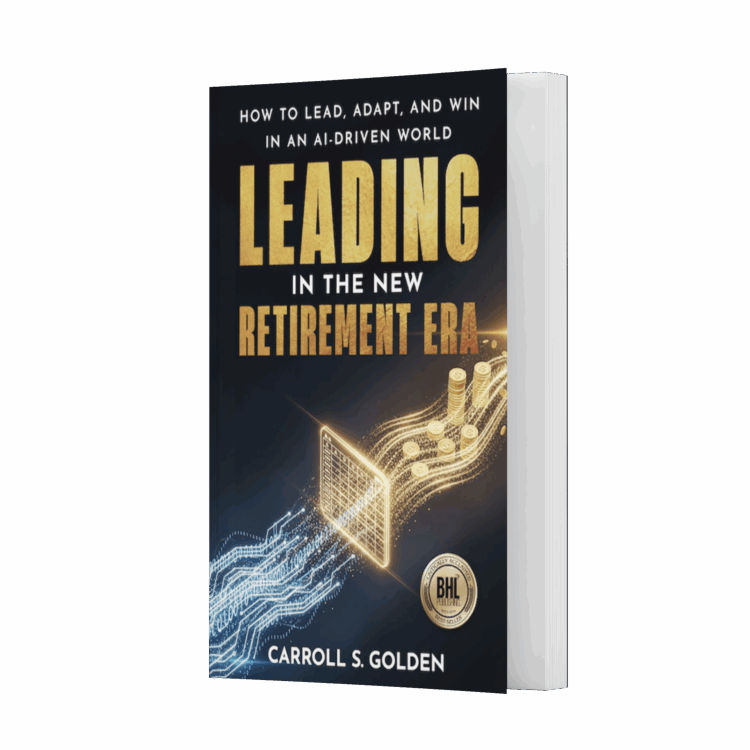
These ideas are explored more deeply in my book, Leading in the New Retirement Era: How to Lead, Adapt, and Win in an AI-Driven World. In Chapter 15, I introduce the Longevity Literacy Gathering™ as a practical framework for helping clients move beyond generic retirement conversations and begin building a personalized Longevity Roadmap. In Chapter 16, I focus on the “how” of implementation—how to involve the right people, prepare families before crisis, and create the support structures that turn good intentions into action.
If you are thinking about the future of legacy planning, family readiness, and what it really means to help clients plan across health, wealth, care, and purpose, this book continues that conversation.